Too Close for Comfort? Stay Safe, Stay Back.
Too Close for Comfort? Stay Safe, Stay Back
How polite are we behind the wheel?
Tailgating, or driving too close to the vehicle ahead, makes road users feel anxious and uncomfortable. Whether intentional or not, it remains a serious safety issue on our roads, contributing to an average of 147 people being killed or seriously injured on England’s motorways and major A-roads every year.
Despite this, tailgating has become worryingly normal. One in four drivers say they sometimes drive too close to the vehicle in front.
Britain prides itself on politeness and consideration. Yet millions of drivers feel like their day-to-day manners worsen when they are driving. Especially when running late (27%), feeling tired (20%) and driving during peak commuting times (16%).
We have developed a regional Driving Etiquette scoring system to reveal which regions have the best and worst driving behaviours. It factors in data-points like the number of serious incidents recorded where close following was a contributing factor; the number of drivers from each region who admit to sometimes driving too close to the car in front; and other drivers’ views of driving etiquette in that region.
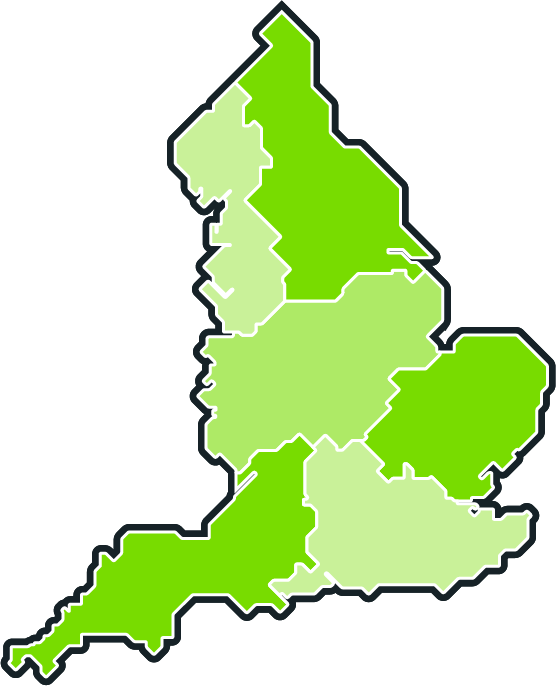
Explore our interactive map to see how these scores vary across the country. Drivers in the South West score highest for road manners, while London and the South East rank lowest.
East

-
East
Ranked fifth for road-etiquette in the UK, where:
- 46% of people think road-etiquette is good
- 35% of drivers admit to tailgating
- 124 serious incidents recorded in 2023 where close following was a factor
London &
South East
-
London and South East
Ranked sixth - last place - for road-etiquette in the UK, where:
- 40% of people think road-etiquette is good
- 41% of drivers admit to tailgating
- 222 serious incidents recorded in 2023 where close following was a factor
South West

-
South West
Ranked best for road-etiquette in the UK, where:
- 46% people think road-etiquette is good
- 31% of drivers admit to tailgating
- 85 serious incidents recorded in 2023 where close following was a factor
Midlands

-
Midlands
Ranked fourth for road-etiquette in the UK, where:
- 37% people think road-etiquette is good
- 36% of drivers admit to tailgating
- 106 serious incidents recorded in 2023 where close following was a factor
Yorkshire &
North East
-
Yorkshire and North East
Ranked third for road-etiquette in the UK, where:
- 39% people think road-etiquette is good
- 36% of drivers admit to tailgating
- 71 serious incidents recorded in 2023 where close following was a factor
North
West
-
North West
Ranked second best for road-etiquette in the UK, where:
- 45% people think road-etiquette is good
- 34% of drivers admit to tailgating
- 60 serious incidents recorded in 2023 where close following was a factor
Make the Change: Two Seconds is all it takes
Our message is simple. Maintain a safe following distance of at least two seconds. This isn't just a rule; it's a small, conscious change that makes a huge difference to everyone's safety and driving experience.
Here's what you need to know:
- Maintaining a safe following distance (at least two seconds) is an easy yet crucial action. It not only enhances safety but also fosters a more relaxed and considerate driving environment.
- Driving too close to the vehicle in front creates a sense of pressure for the other driver and evokes the same unsettling feelings as standing unnecessarily close to someone in everyday life.
- To use the two-second rule, choose a fixed object ahead, such as a lamppost sign or a bridge. When the vehicle in front of you passes it, say to yourself ‘only a fool breaks the 2-second rule’. The phrase takes about 2 seconds to say, so if you pass the same fixed object before you’ve finished saying it, you’re too close to the vehicle in front and need to drop back.
- The gap should be at least doubled on wet roads and up to ten times greater on icy roads. Motorcycles and large vehicles, such as HGVs, will need a greater distance to stop safely.
If it’s rude on foot, it’s rude at 70mph
Maintaining a safe following distance of at least two seconds – or four seconds when the roads are wet – is a simple action that makes a real difference. It gives you time to react and stop if necessary, reducing the risk of collisions, easing pressure on other drivers, and creating a calmer, safer experience for everyone on the road.
Close following isn’t just impolite, it’s unsafe. And little changes in how we drive can have a big impact on road safety and comfort for all.
By adjusting how you drive, you can help create safer, smoother, and less stressful journeys for yourself and everyone else on the road.
Don’t get too close for comfort.